The Ethos
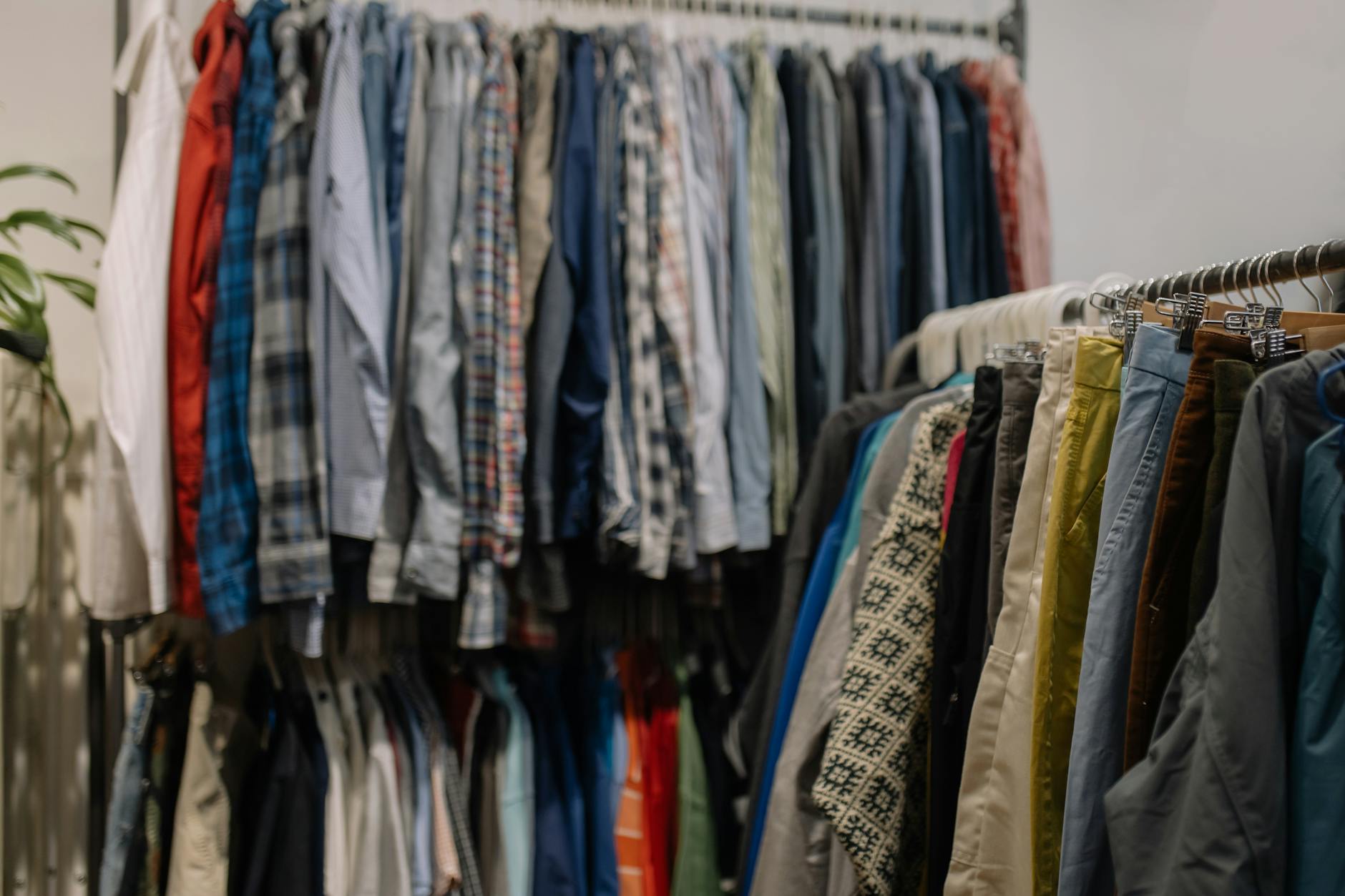
The ethos of many second-hand clothing sites is to make second-hand people’s first choice. This is a great way to incorporate sustainability in a business model, intending to reduce the number of clothes produced and, as a result, the number of resources used. The biggest draws to these platforms include the wide range of unique items available to be delivered to your door, or on the flip side, being able to sell the clothes you no longer love right from the comfort of your sofa!
Below are two second-hand clothing platforms which achieve the same goal with two different values at heart.
Platforms like Vinted allow you to sell your unwanted clothes with no selling fee! This Lithuanian company started from a friend helping another friend sell their clothes before moving away. See, not everything has to be about sustainability when being sustainable!


Thrift + has a mission to end fashion waste by making buying and selling secondhand hassle-free. They do this through a virtual marketplace where each item being sold is uploaded by a member of the Thrift + team to ensure products are marketed appropriately.
The Catch
Whilst extending the life of clothes is a great way to reduce the number of clothes going to landfill and maximising resource use, the concept doesn’t offer a sound solution to the problems Earth faces today.
To take a step beyond being sustainable, it should be in the interest of re-commerce businesses to allow individuals to sell to the company itself for designers to reuse the item and make it into a whole new item. This creates a whole new life after the previous one has been extended. This idea is what we call a circular economy, which I have spoken about on this blog before in the context of Volvo. The concept is the same: reuse and recycle, to reduce the amount of natural resources required and waste entering landfills. In addition, to make these processes just, a certain percentage of renewed clothes could be donated to areas that experience extreme poverty and cannot afford or access adequate clothing.
Another challenge within the clothing industry is the way people treat their clothes, laundry significantly contributes to a person’s carbon footprint, with large amounts of energy and water required to wash items that release microfibres into the water and often end up in food chains. I’m not saying don’t wash your clothes, but enterprises such as second-hand buying platforms do not offer solutions to these challenges.
A third challenge faced in re-commerce is that it actually encourages people to buy more clothes as they have the mindset and reassurance that if they don’t like it or can’t return it they can sell it for a similar price. This presents the opposite desired effect, as the same number of clothes are being bought, but passed through more people at a quicker rate.
A better way
Now, I’m not about to leave you feeling deflated about buying secondhand because it’s definitely a step in the right direction! It’s a great way to reduce waste, lower your carbon footprint, and give items a second life. However, to create transformative change, we must also consider where we are purchasing from in the first place. It’s easy to get excited about a great deal, but it’s far more beneficial in the long run to focus on investing in well-made items which embrace quality over quantity. For example, This is Unfolded produces garments which are made to order, meaning they only begin cutting fabric once a customer has made their order. Aiming to reduce waste in the fashion industry. This is Unfolded work to help us shop better.
 Not My Monkey