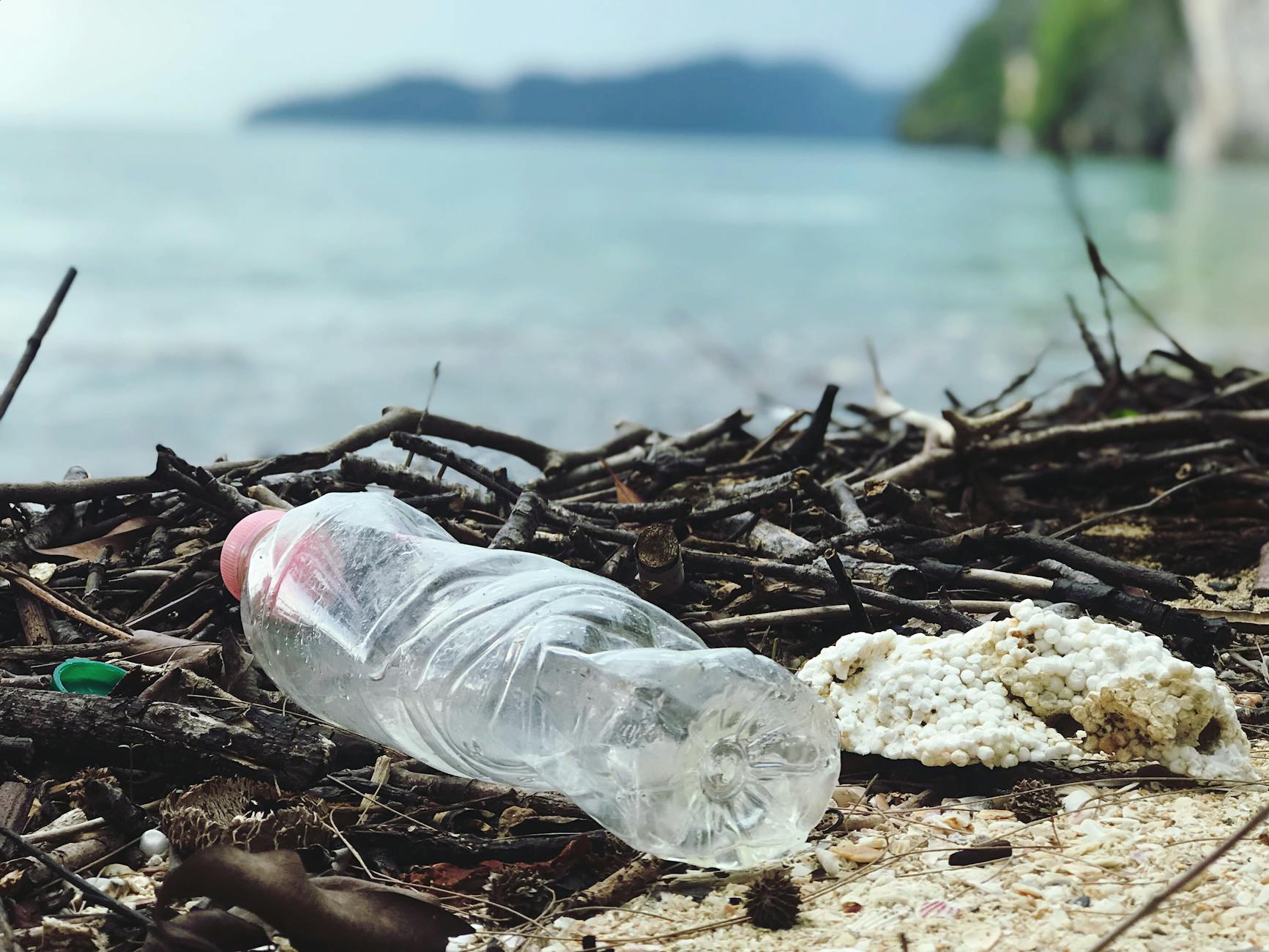
Plastic became mainstream because of its durability, it is used in almost everything, from your kitchen appliances to your shoes. However, the practicality of it lasting forever is its biggest drawback leading to a plethora of effects on the environment and its ecosystems. First, 100,000 marine animals and one million birds are killed yearly from consuming plastic or getting caught in plastics such as beer rings. Second, producing plastic creates large amounts of carbon dioxide which, as we know, contributes to climate change causing unnatural shifts in weather patterns. Third, in places with poor waste management, plastic pollution can increase the movement of airborne diseases like malaria. Fourth, for every three fish caught for human consumption, one contains microplastics, which we willingly consume. Finally, contaminated waters make difficult conditions for marine life to thrive, leading to an increased risk of extinction of vulnerable species.
Many major rivers act as a segway for plastic to enter oceans, for example, the river Nile (or the plastic Nile) carries 6772 tons of plastic per year, most of which ends up in the Mediterranean Sea. This is a consequence of poor disposal of domestic and industrial waste.
Almost all (90%) of plastic is made from fossil fuels, but not AirCarbon, an initiative that uses regeneration strategies to convert carbon into biodegradable plastic. Polyhydroxybutyrate (PHB) is a chemical compound found in biodegradable plastics, it is also found in almost all life on earth. Therefore, Newlight uses natural microorganisms to produce PHB from air and greenhouse gases. AirCarbon is naturally meltable meaning it can be shaped into varying forms. The best part about this process is that it is compostable due to its natural production allowing microorganisms to safely consume it. With the addition of anaerobic digesters, Newlight hopes to convert AirCarbon into biogas, and in turn, use that biogas to produce AirCarbon and energy. This creates a fully circular economy with positive feedback loops. This kind of innovation is what saves our planet, but it is no use if we don’t engage with it. Therefore, more investment should go into installing such infrastructure to meet the demand conventional plastic currently has and resultingly make the switch. With action from industry leaders, AirCarbon has the potential to make a huge impact in tackling some of the many sustainable challenges we face today.
 Not My Monkey