Throughout my academic research around sustainable and just futures, a common theme I have identified is the misalignment of value. This post uses the example of HIV to discuss where we currently place value and where the value actually lies.
Money was created to make the exchange of goods easier; without such a system, there is no room for economic growth and, in turn, development, which is vital to improve the lives of those within said economies. However, resistance starts to occur when economic systems exploit certain individuals for the benefit of other individuals.
HIV is among the leading causes of death in low-income countries; Malaria and Tuberculosis are also on the list. HIV (human immunodeficiency virus) damages the cells within your immune system, weakening your ability to fight everyday infections and diseases. Furthermore, HIV can often lead to AIDS (acquired immunodeficiency syndrome) when there is one or more diseases present in the body caused by a weakened immune system. Whilst there is no cure for HIV, it can be managed and treated to allow those who contract the virus to live a healthy and long life. However, with major countries halting their shipment of life-saving HIV medicine, these individuals are robbed of this opportunity.
Unsurprisingly, the USA is one of the major countries reducing international aid, as a result of the Republicans’ reelection. The United States Agency for International Development (USAID) operates in over 100 countries, focusing on areas like Africa, Asia and Latin America. As of the 20th of January 2025, there is a 90-day halt on all USAID actions whilst they are reviewed by the new president. But before a verdict is reached, those living in areas with a high HIV rate, such as Lesotho, Botswana and Zimbabwe, will experience a drop in international support that will be detrimental. USAID support 20 million individuals living with HIV, and a slight pause in receiving medication will cause an influx of deaths. Not only will those already diagnosed suffer, but the likeliness of the virus spreading will increase. Moreover, the USA is terminating its relationship with the World Health Organisation (WHO) due to the belief it carries an ‘unfair’ burden of paying more than other countries such as China. WHO focuses on sustaining the developments in global healthcare, with research and implementation of strategies to help test and treat HIV. Without such donations, those in unstable countries will suffer.
There has been no comment on why USAID is being reviewed, but I cannot imagine a reason good enough to stop the support of 20 million people. These are individuals who are part of a community and a family, just like us. It would be sensible to assume the $40 billion a year spent by USAID will be diverted to the American oil industry. A huge driver of pollution, disease and climate change, but a huge money maker, so it’s worth it, right? Heavily investing in a dealthy industry to benefit the weathy and increase suffering of the many.
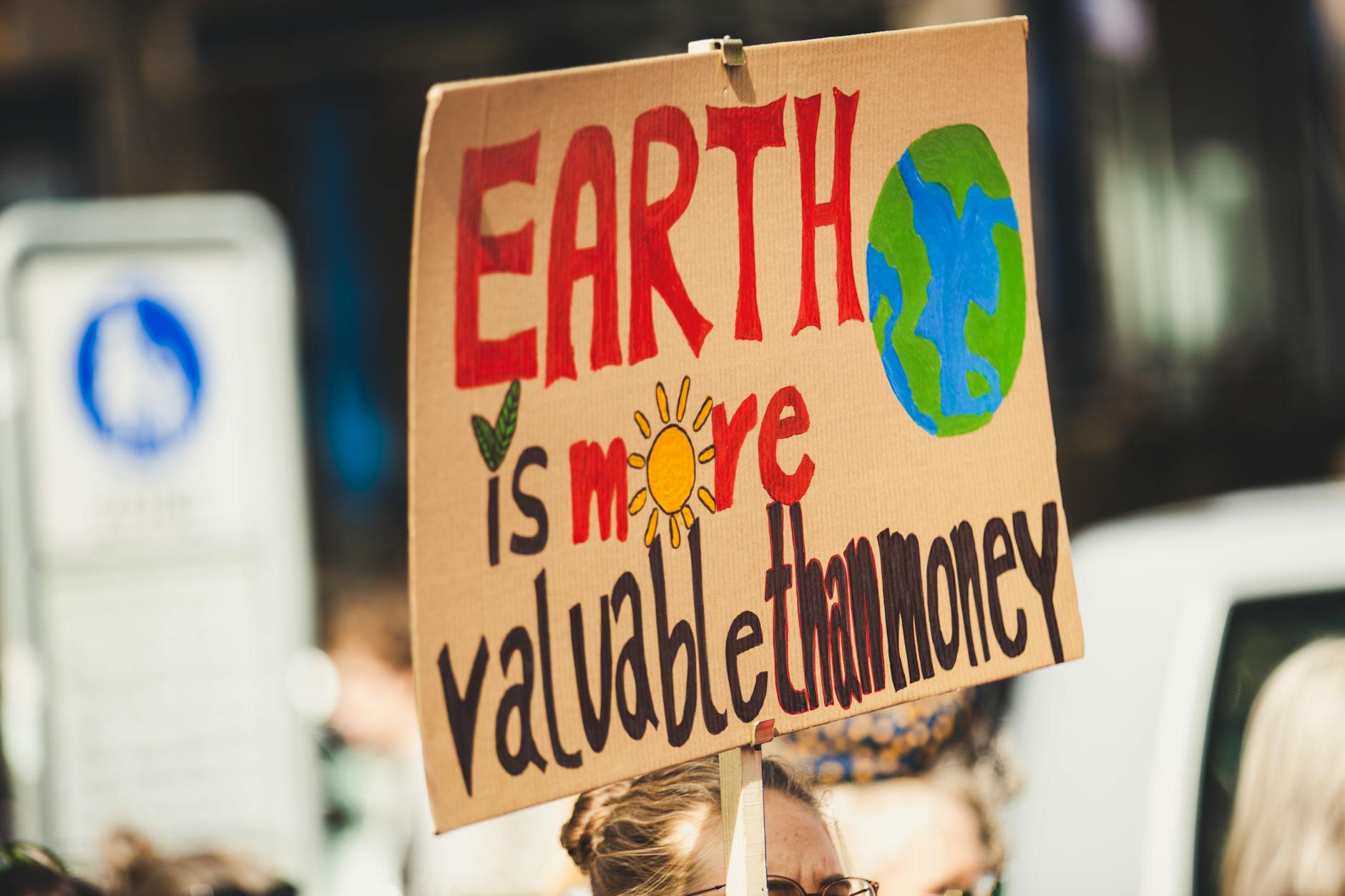
Unfortunately, too many elites hold their value within money, and this greed has irreversible impacts. If we look around and see the value in our communities, we appreciate the need to sustain these communities to create a better world. Current systems only achieve a larger equity gap and increased suffering as major barriers such as healthcare and education are not overcome. Placing value on a select number of elite people is a major mistake; the number of foregone opportunities exceeds the value created.
Wealth is a measure of value, but it’s not THE measure of value.
 Not My Monkey