Ice reflects sunlight back into the atmosphere, helping maintain lower surface temperatures. Rising atmospheric temperatures, accelerated by human exploitation, causes such ice to melt. This leads to changes in atmospheric circulation patterns. These patterns are basically fast-flowing bands of air which draw energy from the temperature contrast between warm subtropical regions and cold polar regions. It is estimated that as the polar regions increase in temperature, the bands of air (or streams) will shift to the south. The UK’s weather is majorly affected by the North Atlantic jet stream, therefore a shift south would increase extreme weather, consequently, we experience droughts, heatwaves, storms and flooding.
The North Atlantic Oscillation (NAO) is an atmospheric weather pattern representing the difference in pressure between the Azores High and the Icelandic Low. All we need to know is that this pressure difference affects the strength and direction of westerly winds, the location of storm tracks, temperature and rainfall. If NAO is positive, there is a large pressure difference and westerly winds are strong, but if NAO is negative, there is a small pressure difference and westerly winds weaken. Cold winters occur in the UK, and Europe, when the NAO is negative due to increased temperatures in the Arctic.
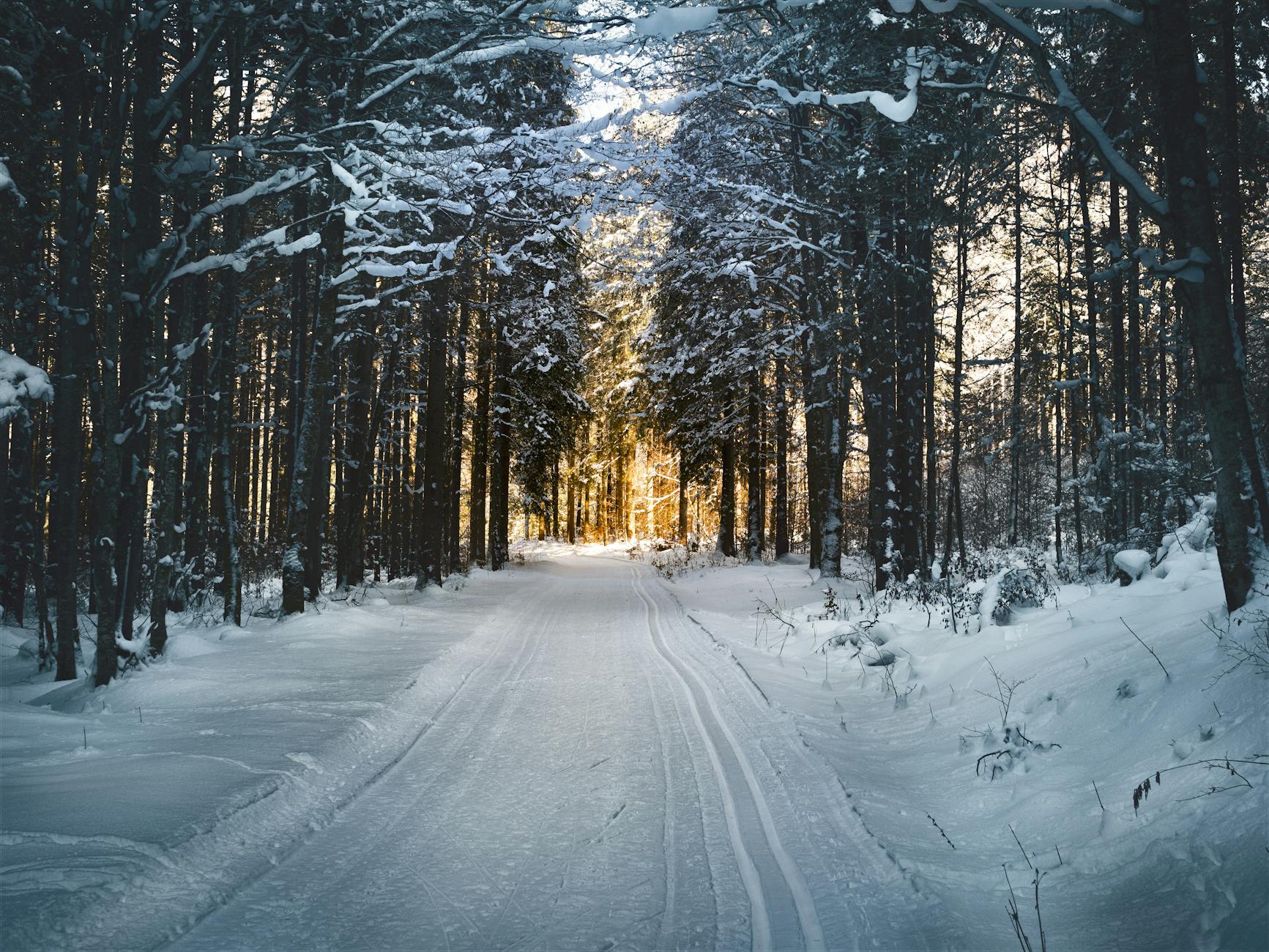
So whilst we may enjoy an extra few days of snow, it is effectively being taken away from the ecosystems and habitats that need it most. We are to blame for this, the Global North’s consumption of fossil fuels and other natural resources is the biggest driver of climate change, yet until recently, we were not the ones to experience the consequences. So it was OK to carry on, right? (*insert eye roll here*) Now that we are expereincing more extreme weather, such as Storm Boris which recently hit Spain, we suddenly feel the need to change our ways. We must provide justice to the countries and communities that have borne our burdens, perhaps through investment in infrastructure to advance their sustainable development. Do your bit to help, reduce your waste, reduce your use of fossil fuels, and buy locally. It makes a difference. For each change you make, you’re helping someone else alongside yourself.
 Not My Monkey