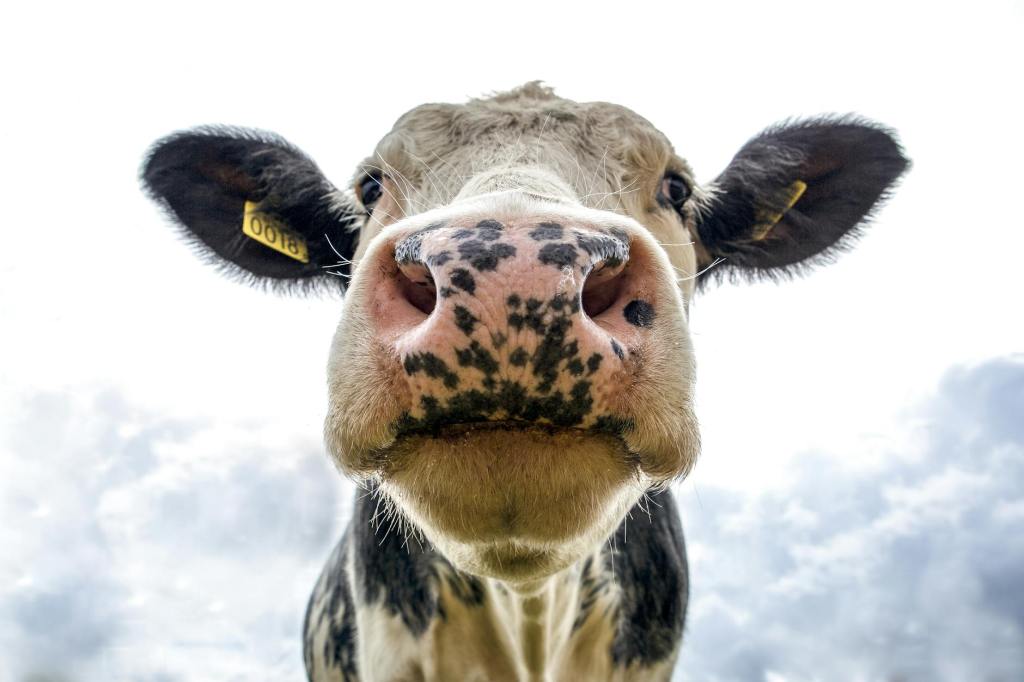
Much research around agriculture, specifically cows, focuses on how to make them more efficient, such as identifying breeds which produce the most milk, but little research goes into trying to reduce the methane emissions of cows without simply stopping production. Until Hilda…
Hilda
Hilda is the first cow to be born with genes that reduce methane emissions. IVF technology allows the breeding of cows like Hilda to occur faster. Calves usually must reach the age of two before they can reproduce, however, scientists predict this way of reproduction could be half that. I am by no means an expert in agriculture, but the immediate question that comes to mind is: what is the effect on birth mothers? IVF involves recovering oocytes from a cow, which, once matured in a lab, needs to be returned to the uterus, which to me seems rather invasive than conventional forms of reproduction.
Other options
Previously, supermarkets have experimented with feeding cattle additives to reduce the amount of methane, but concerns regarding the consistency of feed throughout seasons and the high cost make the idea unattractive to farmers.
Maybe rather than focusing on the cows, we should be focusing on changing consumer habits. There are plenty of other iron or calcium-rich foods/drinks available which have a significantly smaller impact on our Earth. For example, tofu, red kidney beans, chickpeas, leafy greens such as spinach, and coconut milk. Large supermarkets have the opportunity to advertise other products with a lower carbon footprint rather than changing the way farmers rear their cattle, which will have a much larger, long-lasting impact. This begs the question, is it a sustainability concern or an economic opportunity?
Farming cattle is a huge community which provides income to many families accross the world, weather they engage in convential techniques or more modern forms of IVF, livlihoods depend on it. Therefore, I see it as unnecessary to eradicate the farming of cows, but the mass production we currently demand must deflate to keep our planet within its boundaries.
 Not My Monkey