Fast fashion is one of the key drivers of the global climate crisis, and reducing this starts with us as the consumers. 92 million tonnes of textiles are produced globally each year. If we continue at this rate, this will increase by 46% by 2030. Not only do clothes take a significant amount of resources to produce, but they are highly toxic to the environment. Here’s how:
Raw materials: cotton farming often involves large water consumption and pesticide use, while polyester is made from petroleum, contributing to fossil fuel dependence
Water: the fashion industry consumes 4% of freshwater extraction as water is used at every stage of clothing production.
Dying: this process often uses chemicals which, when disposed of inappropriately, cause detrimental harm to the environment, killing local ecosystems. These chemicals have also been proven to harm the workers.
Waste: excess fabrics, defective items, and offcuts during manufacturing can result in waste, most of which may end up in landfills as they are not recycled or repurposed
Distribution: the movement of finished products from manufacturers to retailers contributes to greenhouse gas emissions through the use of shipping, air freight, and trucks
Use: washing, drying, and ironing clothes consume significant amounts of water and energy. Synthetic fibres, like polyester, shed microplastics in laundry, contributing to ocean pollution
End of life: clothing with poor quality or fast fashion items often has a short lifespan whilst also promoting overconsumption. 85% of clothes end up in landfills where textiles can take years to decompose and release harmful chemicals and methane gas
Made By You
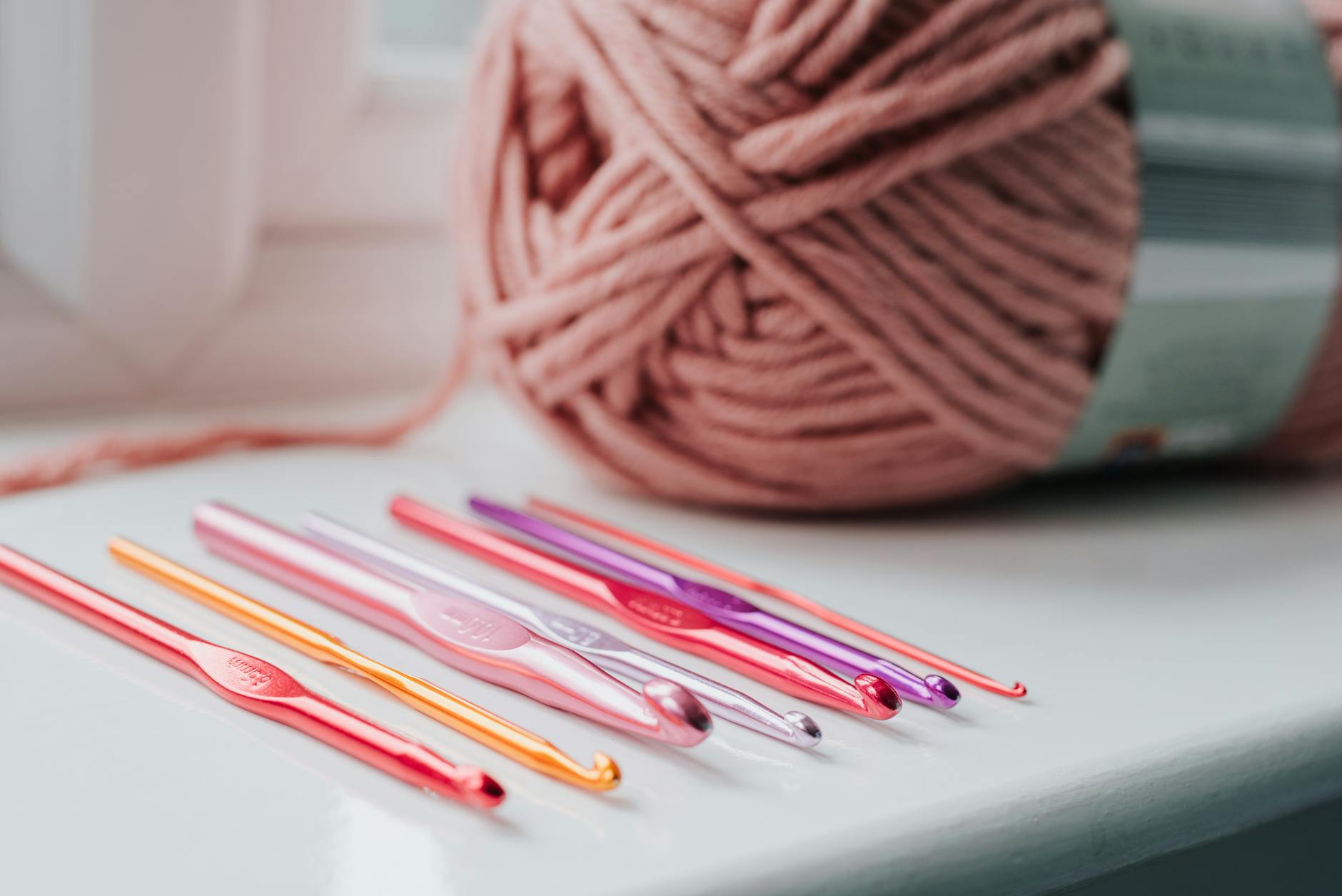
To make a real positive impact on our planet, one creative activity we can engage in is making our own clothing. There are a variety of different ways to do this, and it can change depending on the garment you wish to make! This is why Wool and The Gang have created easy, beginner-friendly starter kits with everything you could possibly need to make vegan-friendly clothing which aims to have a minimal negative impact. Whilst, I learnt to sew using my grandma’s sewing machine in lockdown, where I handmade reusable facemasks, I’m not quite good enough to make garments. However, I have a few events coming up which require specific outfits so I thought I would challenge myself to crochet a top using the Wool and the Gang crochet kit. Not only are all the yarns vegan, but many use upcycled materials!
One of the biggest advantages of making your own clothes is you get to choose what goes into it, for instance, you have the choice to buy locally sourced sustainable materials which will be of higher quality and last longer whilst supporting ethical and local businesses. Whilst this may seem more expensive, the garments will last so much longer (sometimes as long as decades) that they will actually turn out cheaper!
Another win for getting creative is the carbon footprint of your wardrobe is significantly reduced whilst also having the chance to upcycle old clothes, whether that be cutting and sewing or purchasing upcycled wool. Each homemade garment helps reduce the amount we put into landfills and is a step in the right direction to deaccelerating climate change.
 Not My Monkey