
There is much debate, inside and outside of the plant-based world, on whether meat substitutes are better for the environment than conventional meat products and the nutritional value of such substitutes. This post aims to answer some of the questions around this topic, and maybe convince some of you to try a plant-based meal!
Meat
The beef industry is the biggest polluter of all food industries, with the largest of its carbon footprint stemming from land use and farming. Per kilogram of beef, 60kg of CO2 emissions accompany it. Chicken and fish, are thought to be the biggest sources of protein with their main benefit being building and maintaining muscle.
Quorn
Quorn is a brand of plant-based protein options, made from mycoprotein. Quorn claims to be low in saturated fat and high in fibre, too much saturated fat creates a spike in cholesterol increasing your chances of heart disease or stroke, whereas fibre helps lower your cholesterol and contributes to a healthy gut/digestive system. Mycoprotein is made from a natural fungus, Fusarium venenatum, which is fermented. This process releases 95% less carbon dioxide than curating beef.
Tofu
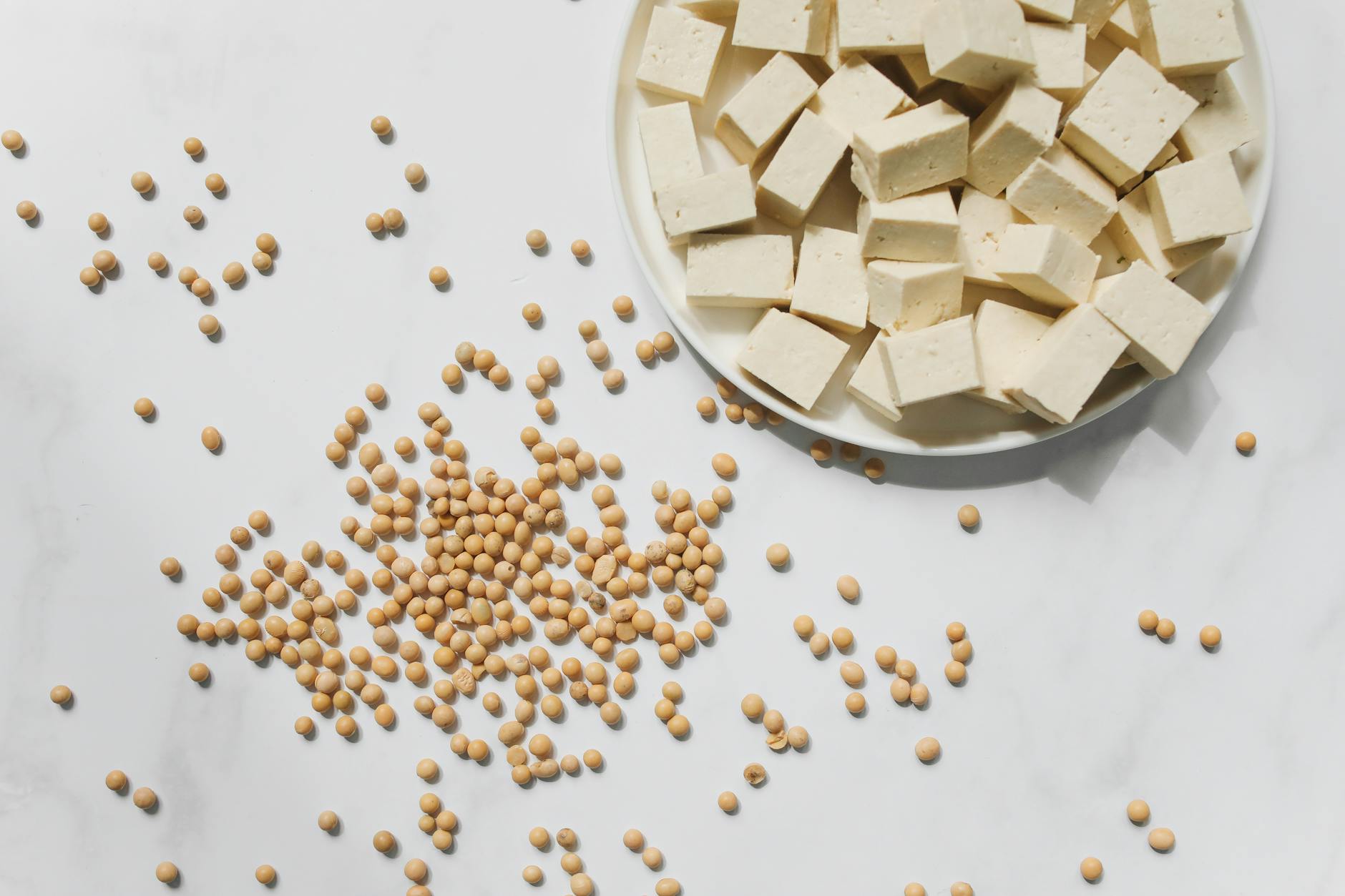
Soya is the world’s most cultivated legume and the starting point of tofu. The process is actually very simple, soy milk is simply curdled, pressed into a block and left to cool. Many Thai and Chinese dishes make use of tofu’s qualities, it can be eaten raw where it is soft or can be cooked to become crispy. Tofu is rich in nutrients, particularly complete protein which basically means it holds all the essential amino acids needed for growth, repair and immunity. Many climate deniers argue that soy production drives deforestation, particularly in the Amazon Rainforest, however, they fail to understand that 80% of soybean production goes to feeding livestock, and to produce 2g of meat it requires 10g of soy. When it comes to purchasing tofu, buying organic has little effect on the carbon footprint of the item, it is more effective to look at the location of production and make sure it is a country/region with adequate deforestation laws.
The verdict
Meat can be considered to have the most protein value, however, for me the sheer amount of carbon emissions (and often animal cruelty) that comes with farming animals such as cows and chickens rules this option out! So, we’re left with Quorn and tofu. Per gram, Quorn has a higher protein content (almost double), however, tofu is seen to have a higher iron content. Tofu is also gluten-free and contains the same amino acids as meat.
Personally, I like to have a mix of Quorn and tofu in my diet, I find tofu works really well in stir-fries but I also enjoy meat-free sausages with my roast potatoes! There is no right answer when it comes to plant-based proteins, each has its benefits and drawbacks, which will vary from person to person, but they are all more effective in reducing carbon emissions than conventional meat farming.


 Not My Monkey