Worldwide, we produce enough food to feed 11 billion people, if there are only 7.9 billion people in the world why do 733 million starve? Whilst we manufacture all this food, factories and farms release more nitrogen into the atmosphere than all combined natural processes. So we’ve managed to waste food and severely pollute the environment whilst simultaneously not providing certain communities with the food they need to survive.
The same 12 plants and 5 animals supply 75% of the food we consume, if we expanded this, we would have greater nutritional value, reduced vulnerability in many commonly used crops and animals, and a larger choice of production options. A staggering 300,000 plants are available for human consumption, meaning only 0.004% are used. Whilst cutting animal products out of your diet may not be feasible, the reduction of such food can make a huge difference, here’s why:
- Meat often comes from large factory farms which emit huge amounts of carbon dioxide and increase deforestation
- Endangers Indigenous communities as their land is taken for production
- Large meat producers often engage in slavery which can involve violence towards local communities
- Habitats are destroyed as a result of deforestation and the use of pesticides to grow animal feed
- Deforestation increases the risk of infectious diseases being spread via habitats coming into close contact with humans
- Animals have weak immune systems, so when large numbers are put into small spaces, the likeliness of them spreading diseases is high and we choose to eat those animals
- 1kg of edible chicken takes up the same amount of land as 3.2kg of edible crops, so we get more for our buck if we eat a plant-based diet
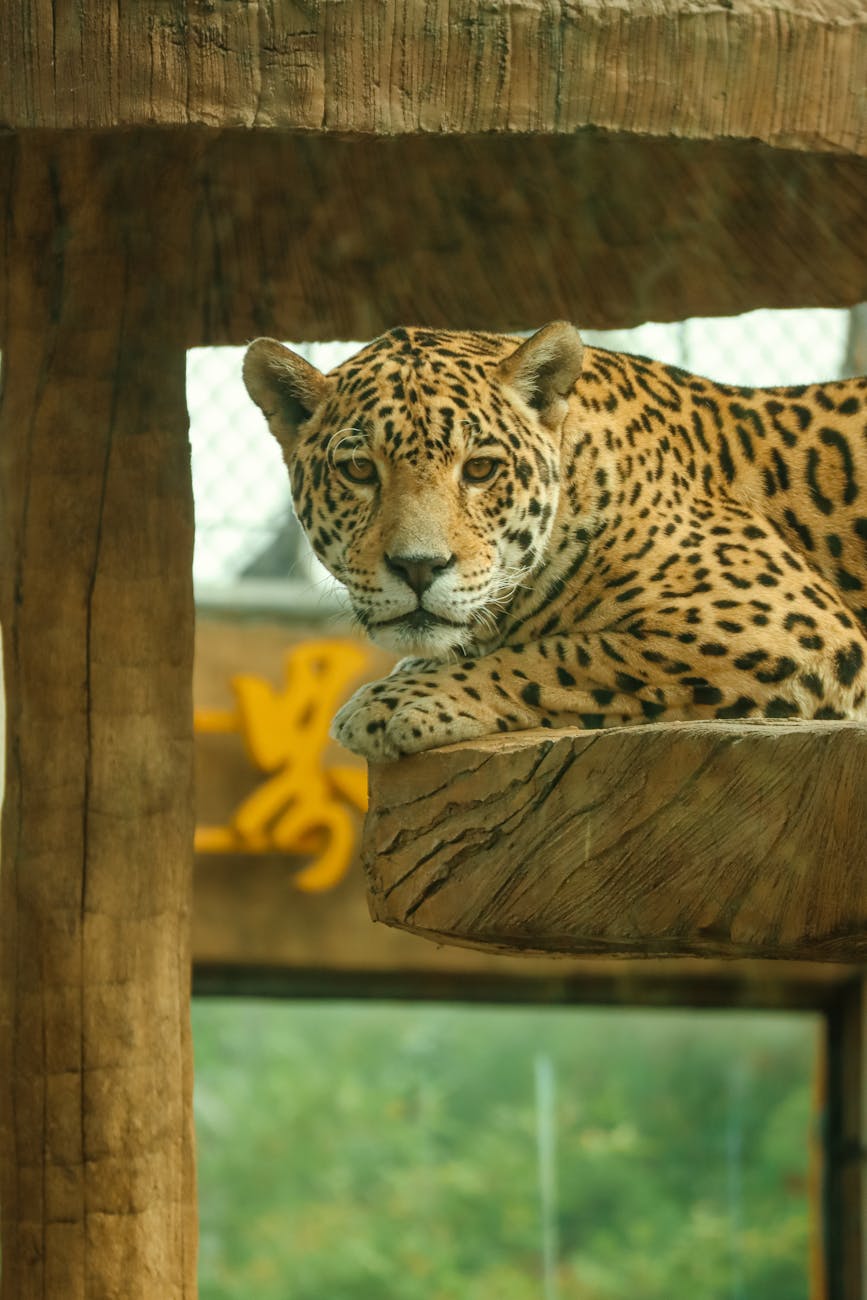
Jaguars are one of many animals which inhabit the Amazon Rainforest, these large cats are considered to be ‘near endangered’ due to deforestation. Jaguars play a vital role in their ecosystem as they are top predators, balancing the food chain.
Manufacturers like to keep their supply chains simple, therefore the demand for farmers is very specific. Influencing what is in these supply chains is imperitive for sustainable food production and consumption. Like many other sustainable practices, the collaboration of business, government, and society must occur for an impactful change. Below is a list of what each party can do to drive sustainable food production.
Business: Engage in the innovation of sustainable technologies for production; assess and change food supplies to be local and seasonal
Government: Grant subsidies towards sustainable technologies and production; place tariffs on imported foods to drive local growth
Society: If possible, have a willingness to pay more for locally produced food, the more this is done the cheaper it will become; be mindful of what you are buying, could you reduce your meat, wheat, rice and sugar consumption (these are amongst the biggest CO2 polluters) and replace them with alternatives such as fruits, legumes and vegetables? Whilst large retailers have a significant influence on what we eat, we can challenge their influence by buying locally and purchasing low CO2 emitting products.
It’s Bizzar, we produce food to feed animals, which we then eat. If we didn’t do this, we would have 75% more farmland available. Whether you represent a population, own a business or are part of a society there is always something you can do to improve our earth. Understanding what you can do is the first step.
 Not My Monkey