Many of us have heard of the climate crisis, and whilst important, it often overshadows the global mental health crisis which is simultaneously occurring. This post discusses how many influential actors – governments – are failing to support their nations.
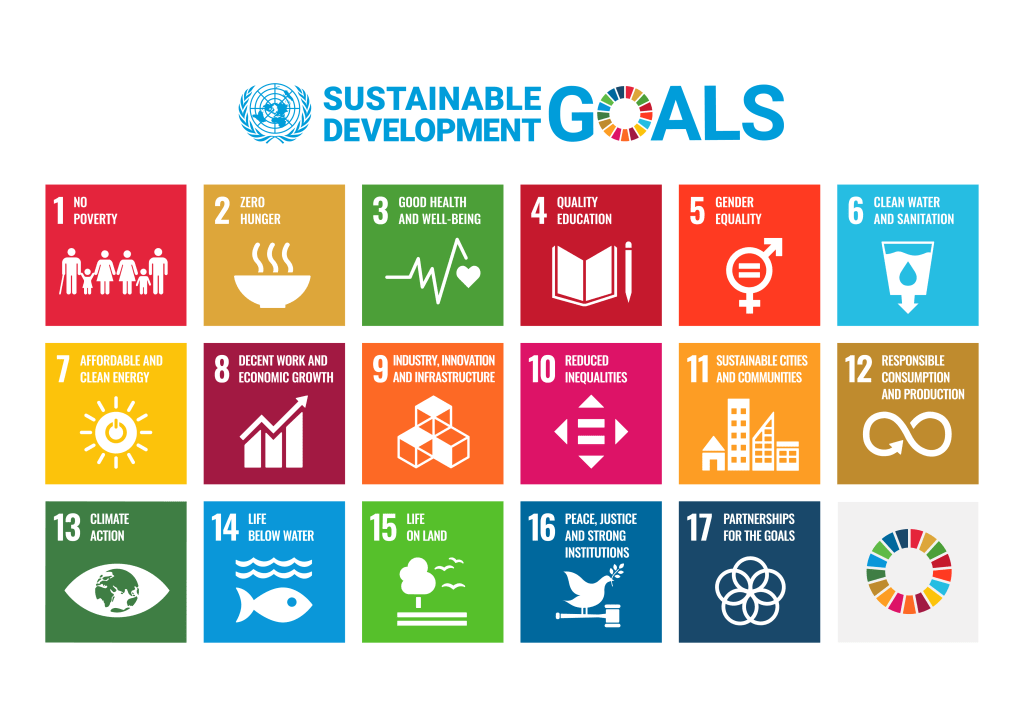
I am writing this post on World Mental Health Day (10th October 2024), on which the United Nations released a post encouraging healthy and safe environments in the workplace. They state, “Mental health at work is a global issue that needs immediate attention”. If they believe this to be true, how can there be no mention of mental health in any of the 17 Sustainable Development Goals? Goal 3 is labelled “good health and well-being”, mental health contributes to obtaining “good health” so why is there no target to improve this, especially since 75% of suicides occur in low or middle-income countries.
There are 92 countries involved in 56 different conflicts around the world, and as you can imagine conflict and poverty have a direct negative impact on mental health, with 1 in 6 young children living in an area of armed conflict. These children are not only exposed to acts of violence and death, but they are more prone to be victims of sexual assault and disease which both have the potential to feed into the development of mental health problems. Additionally, low-income countries have fewer than one mental health staff per 100,000 people with 40% unable to obtain essential medications required to treat certain mental disorders, e.g., mood stabilisers for bipolar disorder.
In the UK, a country with a GDP of 3.089 trillion USD, 50% of children and young adults do not receive the treatment they need due to the lack of mental healthcare resources. We are considered a developed country, where our access to resources provides us with a high quality of life, but our mental health services do not reflect this.
If you have a business mind, 1 trillion USD worth of productivity is lost in the global economy due to depression and anxiety alone per year. Think about the potential we could be reaching if we invested in societies, $1 trillion could irradicate malaria or end global poverty.
Sweden is considered to be the country coping with the mental health crisis most effectively. Their key movements have been:
- Investments in research relating to the treatment and identification of mental disorders, especially in children and adolescence
- Providing early intervention of mental disorders
- Investments in schools to help identify those at risk of developing mental health problems AND provide them with the support they require
- Providing grants to non-profits who work on mental health and suicide prevention intending to spread knowledge, awareness and support
- Providing youth clinics which do not require registration
- Introduction of a national system identifying areas with excess capacity to reduce the wait times of treatment
We cannot maintain well-being without accounting for mental health. We cannot maintain good health without accounting for physical and mental health. Therefore, we cannot maintain sustainable development without accounting for mental health. Suicide is the third leading cause of death among 15 to 29-year-olds in the UK, and for every suicide, there are even more attempts. These figures are increasing each year, let’s break the stigma, mental health doesn’t just exist on one day of the year.
Below are some charities that offer mental health support:
 Not My Monkey