
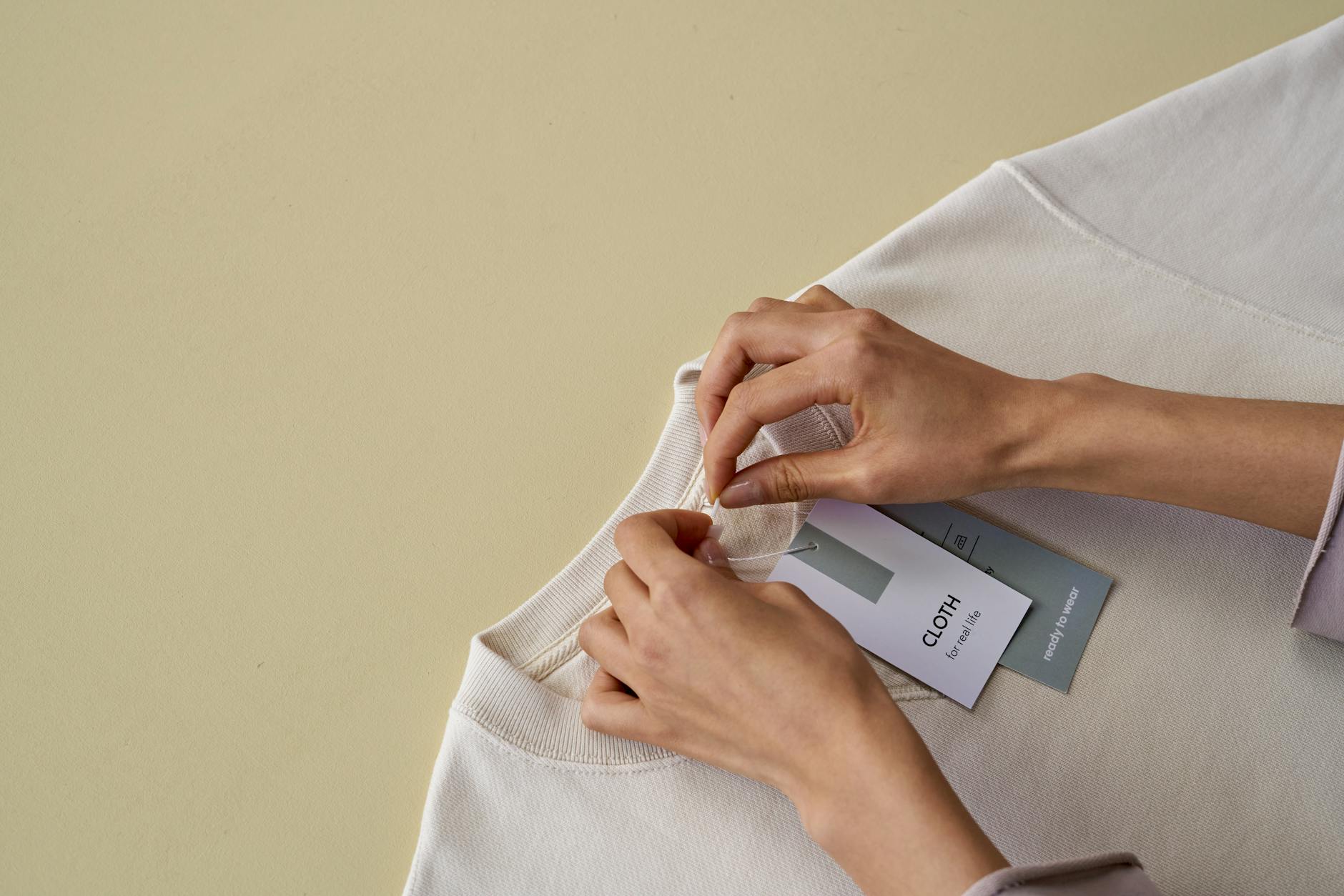
The reasons behind the price tag of sustainable products!
An item being expensive is relative and subjective, however, many people share the same opinion that sustainable products are too highly priced and therefore being sustainable is not achievable. This post will discuss the reasons why sustainable products have the prices they do, what could be done to reduce these prices whilst still achieving the same goals, and some low-cost behaviours we can engage with.
First, it is necessary to understand why products, such as clothes, can have such small price tags. Many fast fashion retailers use materials and labour that have lower quality standards in order to produce more units for a cheaper price. The lower quality materials result in garments becoming unusable quicker and therefore thrown into landfill. This is where sustainable fashion begins its journey, the materials of many sustainable garments are organically grown and the items are manufactured with care, whilst this comes with an increased cost, the items are proved to last longer and are more likely to be up cycled! In addition, employees and suppliers are paid a fair wage and ethically treated, e.g., responsible working conditions and correct health & safety procedures.
On top of the complex processes involved in manufacturing, there is a significantly low demand for sustainable products despite sustainable lifestyles becoming more popular. This low level of demand means prices are higher as organisations are unable to take advantage of economies of scale. Therefore, each time you purchase something sustainable, you drive the demand for that product up, in turn making it more accessible in the future. Furthermore, gaining certifications such as Leaping Bunny, B Corporation, and Fair Trade costs money due to rigorous testing and assessment. However, as a customer, seeing these certifications provides me with piece of mind that I am choosing a product with a positive impact.
Each of these sustainable behaviours accumulate to create a higher price tag, but I understand these prices are not necessarily within everyone’s budget. Therefore, I have compiled a list of free and low-cost sustainable behaviours that we can all engage in:
- Recycle
- Put food waste into compost
- Reuse takeaway containers
- Walk or cycle where possible
- Be conscious of the time you spend in the shower
- Make sure the washing machine is full before putting it on
- Turn lights off when you are not using them
- Eat less meat
- Unplug electrical appliances before travelling
- Educate yourself (this blog is a great start!)
- Don’t overfill your kettle
- Don’t open windows whilst the heating is on
- Re-use jam jars and other glass containers
I think it has become a common misconception that sustainability, especially in our personal lives, needs to be aesthetic, however, these are some things we can do that may not be pretty but make a difference!
In order to make sustainable items more accessible now, I advise governments to invest in the development of technologies which aid the production of sustainable materials, such as organically grown cotton. This provides suppliers with the opportunity to switch to friendlier processes for a similar price, therefore the cost of producing such items is not significantly increased and passed on to the customer. However, I am aware that a government cannot subsidise a market forever, and therefore this is not a sustainable solution for sustainability. This is where a behavioural change in society needs to occur, not only do entrepreneurs need to stop sacrificing environmental and social requirements for monetary gains, but consumers need to change their habits in order to influence organisations. This may sound like a big task, but for every decision we make, there is a reaction from businesses who thrive from meeting the needs of consumers.
Every change makes a difference, no matter how big or small!

 Not My Monkey