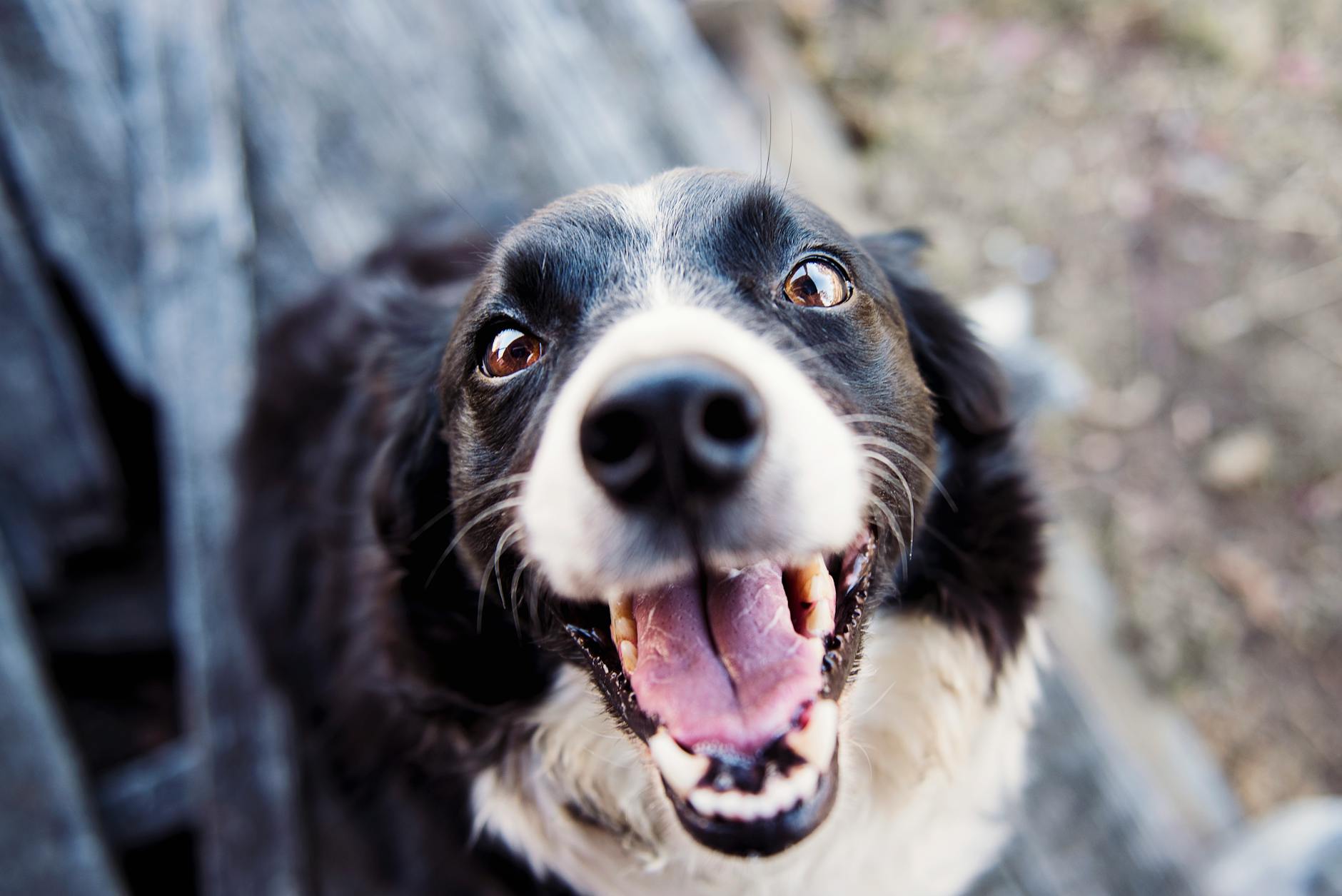
Something I’d never thought of was my dog’s carbon pawprint, not just where he came from but what he consumes, too. This blog discusses some ways to be mindful of our pet’s impact on the planet.
Food
Unfortunately, our family pet has quite a few medical issues, so his diet is stringent. This works out quite well for the environment as he only eats one type of food, which we buy in bulk! But that’s not the case for most pets, so try some eco-conscious pet foods if you can. If you’re willing to go a step further check out or even consider insect-based protein and plant-based dog food, which are growing trends in the pet nutrition space. These options have a much lower carbon footprint compared to traditional meat-based kibble.
Try buying treats individually and take your own tub to reduce the packaging that your pet consumes (sometimes quite literally!).
Pet waste
When dog waste is left on the ground or tossed in plastic bags and sent to landfills, it can pose serious environmental and health risks. Unlike wild animal waste, dog poop is full of bacteria, parasites, and nutrients that don’t belong in natural ecosystems. If left unmanaged, it can wash into waterways through storm drains, contaminating lakes, rivers, and even drinking water with harmful pathogens like E. coli and salmonella. This pollution can affect both human health and aquatic life.
Additionally, when we use regular plastic bags to dispose of pet waste, we’re contributing to long-term environmental damage. These bags can take hundreds of years to break down, and even then, they leave behind microplastics. That means every time we scoop the poop in a plastic bag and toss it in the trash, we’re adding to landfill buildup and plastic pollution. A more sustainable approach, like using compostable poop bags or participating in community pet waste composting programs, helps reduce the environmental impact and supports a more circular, earth-friendly system
Adoption
Choosing to adopt a pet instead of buying one is one of the most impactful ways to support sustainability and animal welfare at the same time. Every year, millions of dogs and cats end up in shelters or rescues, many through no fault of their own. By adopting, you’re giving one of these animals a second chance while also helping to reduce the demand for large-scale commercial breeding operations, which often have questionable practices and prioritise profit over animal care. These breeding operations, especially puppy mills, contribute to overpopulation, resource strain, and sometimes even poor health conditions in animals due to unethical breeding.
Adoption is a way to work with existing resources whilst also creating a space for another animal to be saved.
Toys
My dog is the worst for destroying toys, if it squeaks, has limbs or is fluffy, it will be destroyed within a matter of minutes! Whilst he gets much joy out of doing this, he’s actually driving overconsumption, but of course, he doesn’t know this, so it’s our job as owners to make responsible choices for them. Most conventional pet toys are made from synthetic materials like plastic, nylon, or polyester, which are derived from fossil fuels and don’t break down easily. Over time, these materials contribute to landfill waste and can even release microplastics into the environment. Eco-friendly toys can be made from natural rubber, organic cotton or hemp, or even just recycled materials. These toys may last longer depending on the determination of your pet, but even if they don’t, some toys are made to be biodegradable or at least recyclable.
The pet industry is massive and still growing, so even small changes can lead to a huge impact. Comment if you would like any of these points expanding on!
Summary:
- Try eco-friendly foods (e.g., local, insect-based or plant-based)
- ALWAYS pick up your animal poop
- Buy treats individually
- Look out for recyclable/biodegradable toys
- Adopt
 Not My Monkey
Leave a comment