
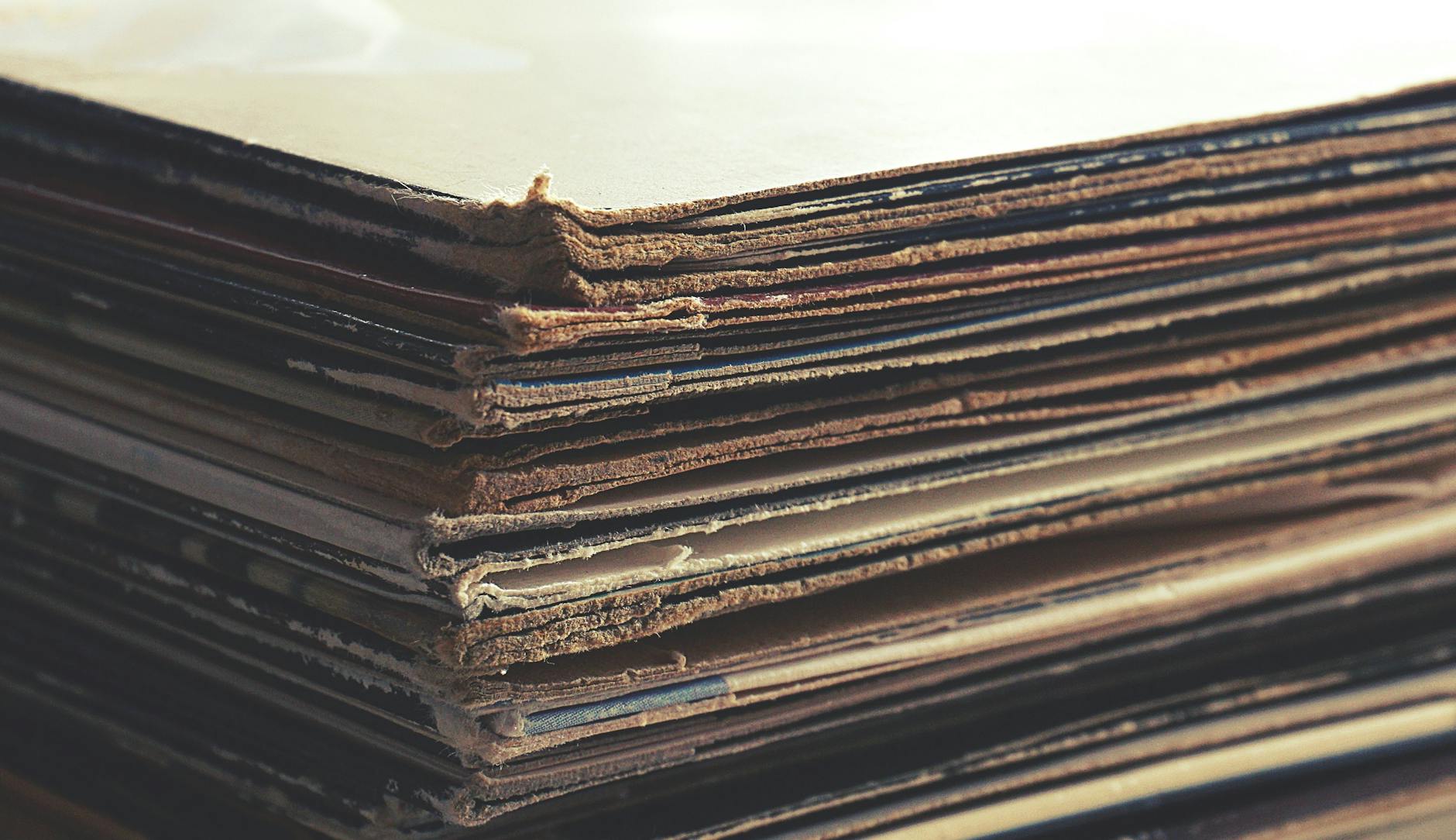
There is always a lot of talk about recycling plastics and the importance of doing so, meaning that sometimes cardboard gets forgotten. This may be down to our social norms and pressures of recycling cardboard and paper or it may be that it is simply easier as it doesn’t require washing like plastic. Either way, the UK as a whole does a fairly good job at putting its cardboard in recycling. This blog will discuss the challenges the recycling industry faces with cardboard and how we can help reduce these challenges and create a more efficient system.
First it is important to understand the process of recycling cardboard:
- Once the cardboard is collected and transferred to a recycling centre, it is completely separated from any other recyclables (i.e., metals and plastics) and organised into different grades
- It is then shredded into small pieces
- To break down the cardboard it is mixed with water and chemicals to make a pulp
- The pulp is filtered to remove any contaminants (i.e., tape, ink, etc.)
- The filtered pulp is then dried and pressed into sheets which are glued together to make new products like cardboard and paper
Whilst the process is pretty simple, there are still challenges to be faced. The most notable is contamination, stemming from incorrect items in the cardboard recycling bin, which damages machinery and reduces the quality of the end product. Contaminants can simply include plastics like bottles being put in the wrong bin, or they can come from small elements not being separated properly, such as tape on wrapping paper or the plastic clip on a clothes tag. Luckily, there is a simple solution, recycle properly. It’s not a hard task, it can just be a little time-consuming. Whilst I’m sure we’re all guilty of just throwing something in the bin or the recycling as is to save time and effort, it will actually come back to haunt us sooner rather than later. All the extreme weather we are currently expereincing is a result of humans taking advantage of our Earth, it’s time to be kind, take the extra few minutes to separate the recycling, or clean out the containers properly, it makes a huge difference.
Let’s look at Sweden, they recycle 99% of their household waste due to the efficient recycling systems paired with its caring citizens. The country has even started importing waste to help countries like the UK reduce landfills. 50% of the waste in Sweden is used for energy recovery, where waste is burnt at incineration plants. Furthermore, the metals left in the ashes at the end of burning are recovered and recycled, where they are used to relay roads. While this isn’t a perfect solution, if you were to put the waste into a landfill, it would produce 500kg more CO2 emissions. The incineration of waste provides one million homes in Sweden with heat, whilst the smoke from these fires is filtered and used to refill abandoned mines. However, these processes are only possible if citizens actually recyle their waste in the appropriate ways, such as seperating into different types and making sure it’s clean.
Sweden focuses on reusing materials to use less energy when creating a product, rather than burning one and making a new one from scratch. However, this does not mean we can ignore the fact they are still creating CO2 emissions, which as we know are the biggest driver of climate change. So there is still work to be done by those in the recycling industry to make processes more efficient and environmentally friedly, but there are also efforts to be taken by the general public to help reduce the challenges they face.
 Not My Monkey
Leave a comment