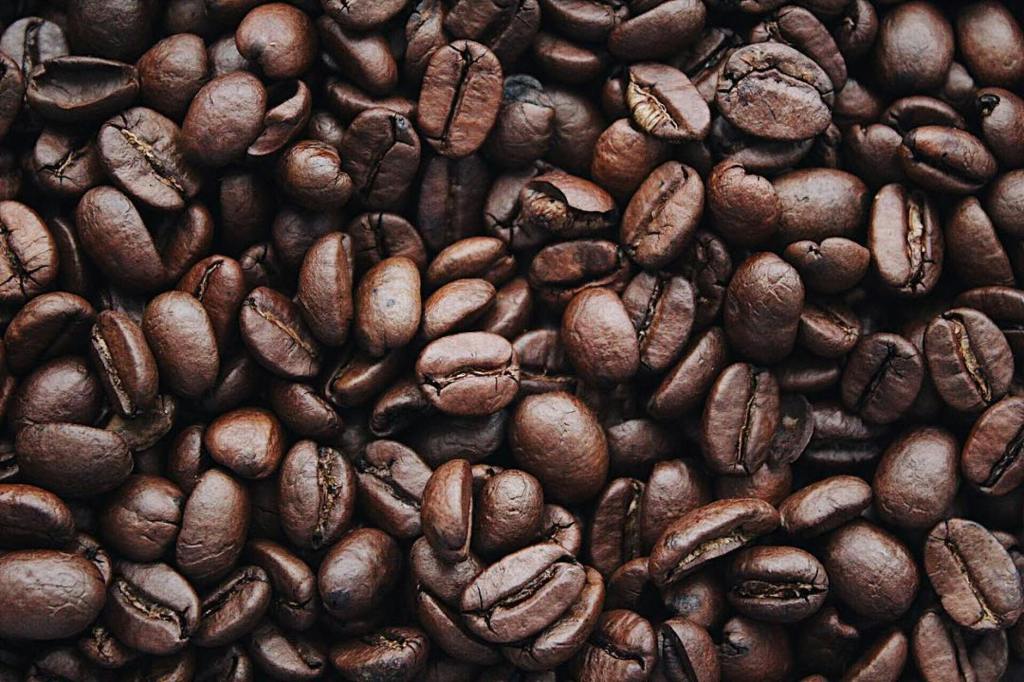
You can deny climate change, but that doesn’t change the fact that your morning coffee will start to vanish in the coming years. Brazil is the world’s largest coffee bean producer, responsible for almost 40% of coffee production. 80% of this coffee is Arabica, and it is estimated that by 2050 suitable land for such a coffee type will be cut in half. This calls for the sustainable growth, trade and consumption of coffee.
Sustainable Coffee Growth
This focuses on growing coffee in a way that preserves biodiversity, the environment, and the community in which it is grown. However, sustainable coffee growth is special, rather than coming up with new ways to achieve the same yield, many farmers use old (often Indigenous) ways of growing coffee. This is because many Indigenous techniques focus on preserving resources as they are aware of their scarcity and feel it is important to respect their ancestors and protect future generations. This is basically the definition of sustainable development, except they just see it as normal.
Shade-grown cultivation is what it sounds like, growing coffee in shaded areas, usually under the canopy of trees. This replicates the way coffee naturally grows. Not only does it keep the soil nutrient-rich and moist, but the trees act as a filter for light and are home to birds which eat invasive coffee species. Additionally, coffee crops require large amounts of water to grow, and water recycling is a great sustainable way to do this. Methods of this vary but the concept involves reusing water that has already been used.
These techniques preserve forests from being destroyed to plant extra coffee crops making up for lost yield due to sunlight damage. Additionally, there is no use of chemicals which damage land and ecosystems, preserving biodiversity.
Sustainable Coffee Trade
The trade of coffee is primarily linked to the exchange of money for coffee beans, this being sustainable means farmers are given a fair wage for their products. Coffee farmers, like many other crop growers, often rely on one source of income to support themselves and their families.
Sustainable Coffee Consumption
So, what can you do? Certifications such as Fair Trade ensure farmers have better working conditions and fair prices. There is a recognition that we can enjoy quality products from around the world, in fact, it is necessary for these farmers to survive, but we must do so in a sustainable and fair manner. Look out for the Fair Trade logo when shopping for coffee, consider switching if your usual doesn’t hold this certification. As coffee is unique to different areas of the world, suppliers vary massively, meaning they all have their own agreements. So be careful, a coffee range from one brand may be fair trade but that doesn’t mean everything from that brand is.
Here are a few options:
- Taylors carbon neutral Fika Coffee
- Kingdom Coffee Wakey Wakey Morning Coffee
- Co-op Irresistible Single Origin Coffee
- Cafédirect Organic Machu Picchu
- Bird & Wild Seasonal Blend
- Percol Smooth Colombian Coffee
 Not My Monkey
Leave a comment