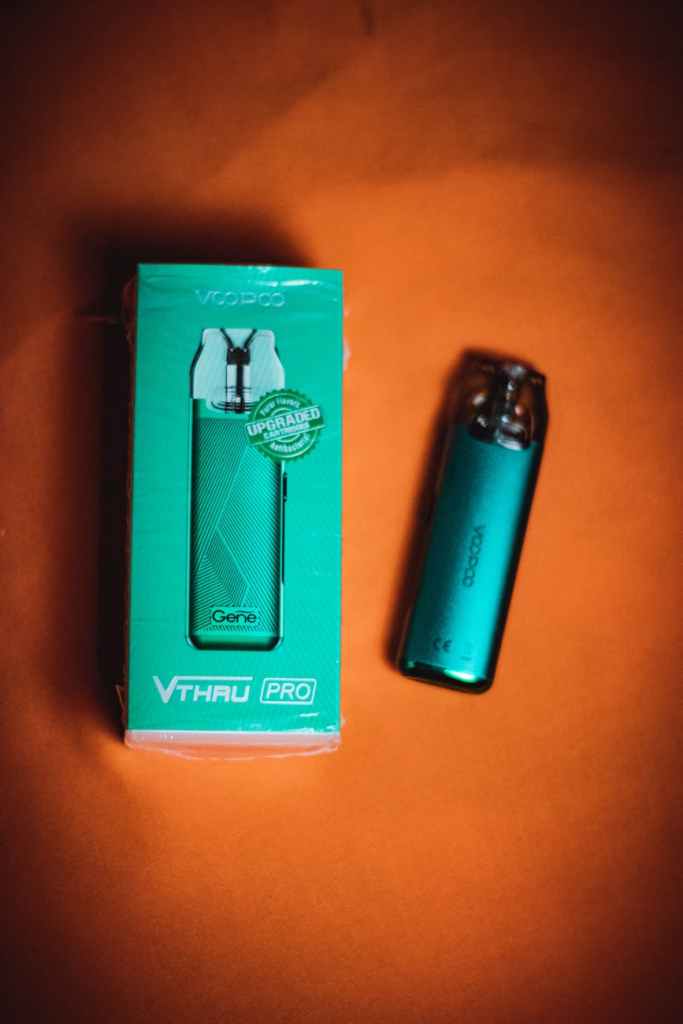
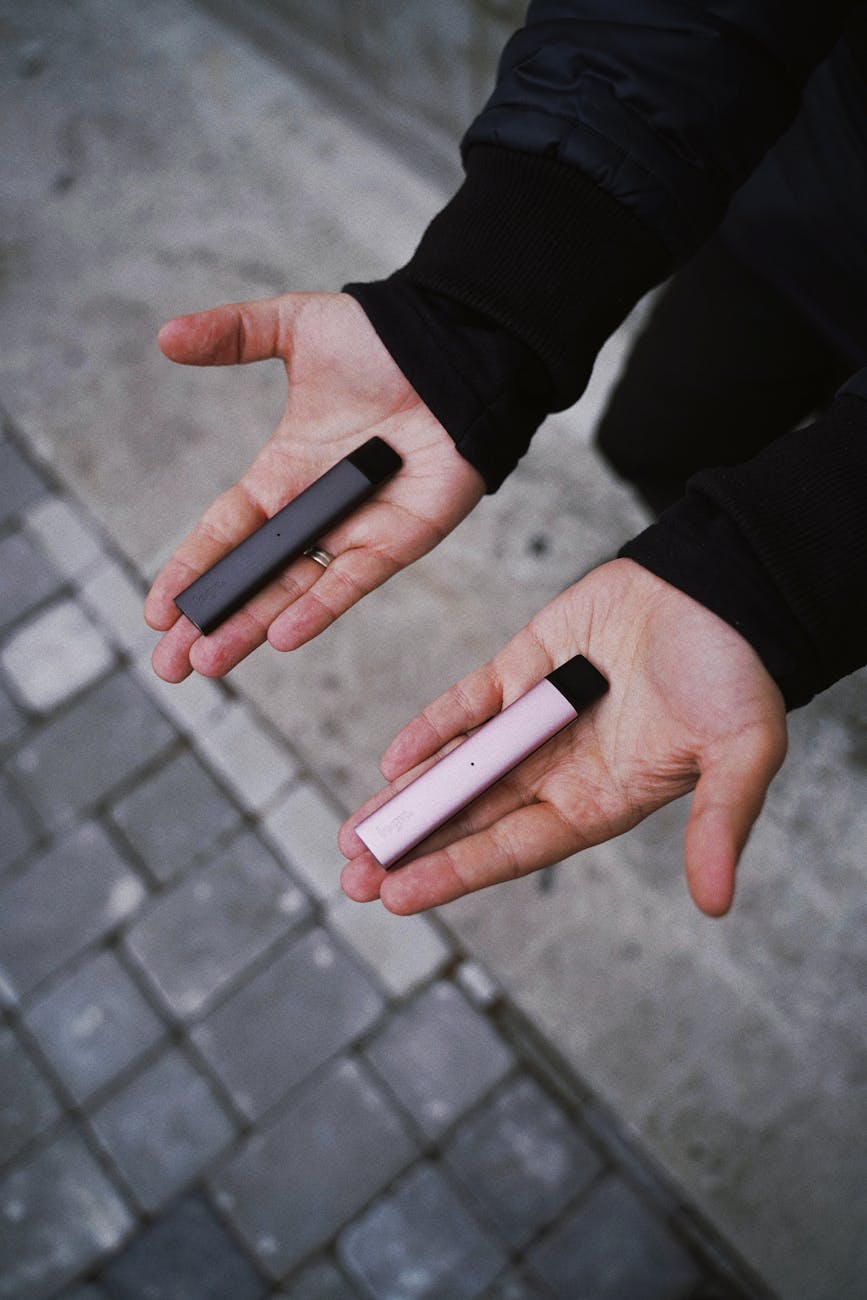
Today the UK government released a statement banning the sale of single-use disposable vapes from the 1st of June 2025, giving businesses 8 months to shift their stock. Read on to hear about the government’s efforts to protect the health of its nation and environment.
Whilst it is illegal to sell nicotine to anyone under the age of 18, this has not stopped the epidemic of vaping, with 7.6% of children (aged 11-17) openly admitting they regularly vape.
Originally a tool to help adults stop smoking, vaping is now a way for young people to start smoking, especially with the huge array of flavours masking the bitter nicotine taste. The very fact that vapes include nicotine makes them addictive, but being able to (illegally) smoke inside has become too easy. In 2007, smoking inside public spaces became criminalised to protect young children from the effects of smoking, however, this did not anticipate the rise of vapes which do not need to be set alight and thus are easy to hide.
Vaping has serious health implications, for children, this is amplified with their bodies still developing, but I’d like to highlight one I deem to be most important. Nicotine worsens anxiety and depression, and with the UK in a mental health crisis, we are actively feeding the problem by making nicotine so accessible. In addition to mental health, vaping can increase the likeliness of cancer, asthma and lung damage, all of which require medical treatment that the NHS is not adequately funded to deal with due to the increased demand.
The colourful packaging and advertising of deals increase the appeal of vaping among children and young adults, which is part and parcel of why the government has brought in this law. The problem I have with this new policy is that it doesn’t discourage vaping altogether. Unlike conventional cigarettes, there are no laws in place to prevent advertising the purchase of vapes. This suggests we are not tackling the real problem, we a merely removing one puzzle piece which will soon be replaced. The government argues that even though refillable vapes have a more expensive upfront cost, in the long-term they are cheaper as the only part you re-purchase is the fluid inside. However, as the demand for refillable vapes increases, the price will fall and they will become more accessible, and individuals will become less protective over keeping the same vape and refillable vapes will become single-use once again.
This leads me to talk about the environmental impacts. Let’s start at the beginning, to extract and purify nicotine from tobacco plants, large amounts of water and energy are required. Additionally, this process creates copious amounts of halogenated waste which is a pollutant and cannot be recycled. The more we demand nicotine products, the more pressure we are putting on tobacco farmers and the land they use. China is the biggest exporter of tobacco, with the area of land used for such farming doubling since the 1960s.
Whilst the consumer is using a vape, the toxic chemicals inside are then released into the atmosphere creating air pollution. These chemicals include carbon dioxide and heavy metals which are toxic to humans.
Finally, as you can imagine, the disposal of a vape is not pretty, because more often than not, they end up in landfill, to be specific, 5 million each week (in the UK alone)!. To put this into perspective, throughout a year that is enough lithium to power 5,000 electric cars. The toxic chemicals that aren’t released into your body or the atmosphere are later released when the landfill is burnt, polluting soil and water too. Correct disposal of vapes includes separating the remaining liquid, electronics, and plastics to be disposed of separately and appropriately; however, it’s easier to just chuck it in the bin, right? Please dispose of the remaining single-use vapes responsibly by taking them to a vape shop or recycling centre. You can read more about e-waste here.
 Not My Monkey
Leave a comment