

If you are unaware of greenwashing, I can guarantee you have come across it without realising, it is a strategy of putting a product in a light that suggests it is more environmentally friendly than it actually is. The most common example is packaging a product with the colour green as we often associate this with nature. However, many more forms go unheard of and as a result, greenwashing strategies become ‘successful’ and once again the environment and society take on the burden of the elite’s shortcomings.
This post discusses the case of Quorn and its misleading carbon footprint claims. I chose this example as Quorn is a producer of meat alternatives, mostly associated with veganism, and therefore a large amount of its customer base is climate-conscious.
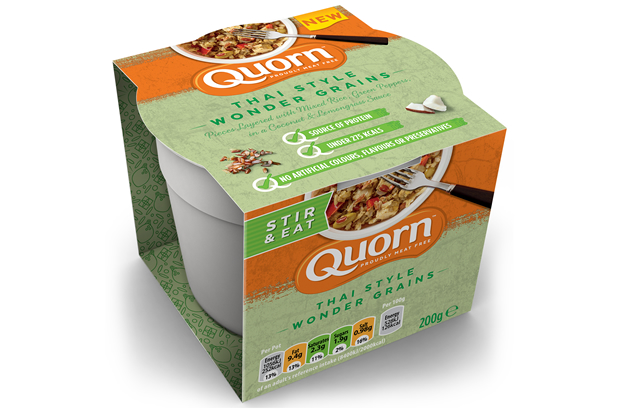
“I care about climate change and I love my food. So new Quorn Thai Wonder Grains is a step in the right direction because it helps us reduce our carbon footprint and that’s got to be good”
Quorn Thai Style Wonder Grains was released in 2020 along with a promotional video with the above voiceover. Questions quickly started to arise. Who is “us”? How does it reduce your carbon footprint? Can something in a single-use plastic pot be climate-conscious?
The tone of the advert suggested that “us” referred to the customers, proposing when you buy the product you are contributing to reducing your carbon footprint. Quorn actually meant themselves. This is where the main ethical problem lies in greenwashing as the idea is more people are likely to buy a product if it has a positive association, however, creating false claims to create this association means customers are misled into buying a product they may never have bought otherwise. But how do businesses deal with this as the damage has already been done? Instead of changing their processes to match the claim, they change the claim to match the processes, and because this is usually unethical it is not advertised.
Considering Quorn’s mission is to “provide healthy food for people and the planet”, their practices go against the core principles of sustainable development where neither environmental nor social factors are taken into account. Take the packaging for example, this is made from single-use plastic which not only uses non-renewable resources and cannot be integrated into a circular economy, but on average a single plastic container creates 51g of CO2 emissions, contributing to climate change. This alone contradicts their own statement.
With intervention from the Advertising Standards Authority (ASA), the outcome resulted in the advert being banned on the basis that there is no evidence suggesting purchasing this product reduces Quorn’s carbon footprint.
Here are some other examples of greenwashing:
- Volkswagen who cheated on emissions tests resulting in cars emitting nitrogen oxide pollutants up to 40 times above what is legally permitted in the US alone
- Innocent also released insincere TV adverts where animals sang about recycling and overcoming the climate crisis eventhough their entire product revolves around a single-use plastic container
- H&M has been sued for many greenwashing claims, including incorrect sustainable scorecards and misleading clothing tags
Notice how all of these businesses are large, international organisations that seem to think they operate by different rules? These corporations hold huge amounts of consumer power and have the potential to make a significant impact, but their short-term mindset and naivety mean they’re unable to take this opportunity and truly make a difference in society and the environment.
 Not My Monkey
Leave a comment