

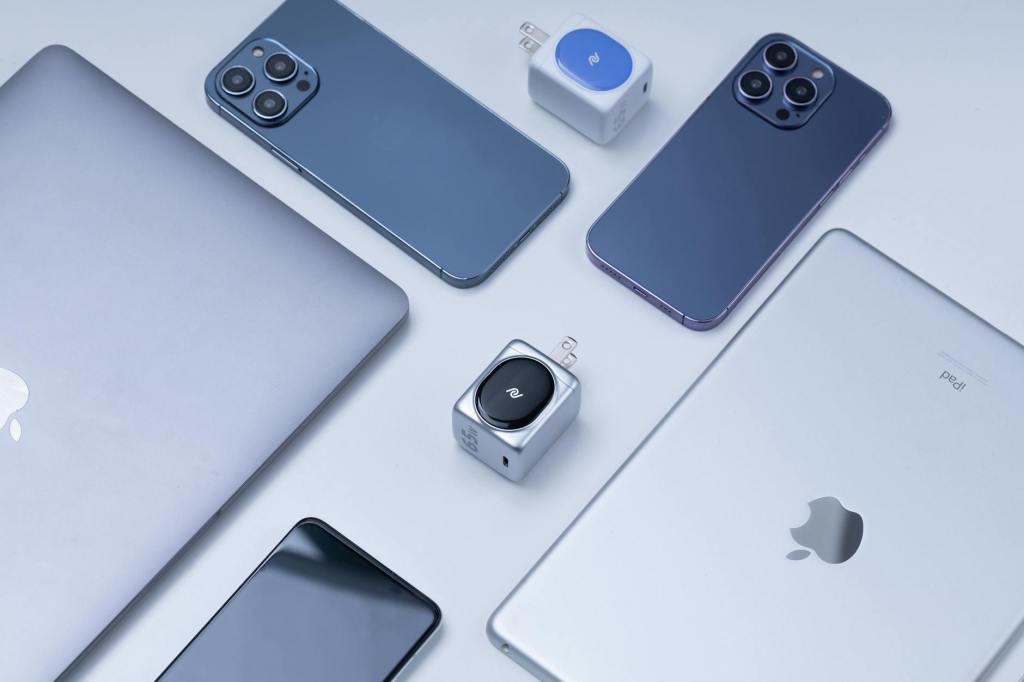
It is evident that technology has weaved its way into every aspect of our lives, from payment methods to communication, and work to shopping. The average household will have nine connected devices, the question is, how do we make sure they fit in with our sustainability agenda? This post discusses the reduction of e-waste, how different actions can contribute to creating a circular economy, and the consequences of doing nothing.
E-waste
The waste from electrical products is known as e-waste, we rely heavily on such products that it has become one of the most rapidly growing waste industries. A total of 50 million tonnes of e-waste is produced every year, which is the equivalent weight of every commercial plane on the planet.
Consequences
Environment: the materials within electrical devices are highly toxic to the environment, when these are not disposed of properly they end up in landfills (which often catch fire) and chemicals such as lead and lithium are released into the soil and air. These pollutants cause land contamination and as a result, destroy habitats and ecosystems. Additionally, these chemicals can also end up in water sources, especially in wet climates. Finally, the breakdown of landfills produces greenhouse gasses such as methane and carbon dioxide which are key drivers in climate change.
Society: in addition to being exposed to pollutants, landfills attract bugs and create odour which is often experienced in local communities. As we continue to add to these landfills, we further exasperate these issues, resulting in those living near landfills experiencing health problems from increased diseases.
Legal: those living in developing countries are often forced to disobey the law and illegally sell or buy goods in desperation to earn money. This creates what economists call black markets. In this context, individuals, or a group of individuals, will pay to take ‘recycle’ old electronics, often offering more than certified companies. As customers receive more money for their items, they are more likely to engage in these practices. Monitoring and reducing black markets is a difficult task requiring internal governance.
Mitigation
I have outlined the largest consequences of e-waste, and now it’s time to address how we can mitigate these consequences through changing individual, corporate, and government practices.
Consumer Mitigation: It is first important for us to evaluate if we need to buy new technology, are we able to use what we have or upgrade the same product? This is a huge step in reducing waste as it completely cuts out an entire product life cycle. However, sometimes it is necessary to buy a new product, but much like clothes, electronics can be bought second-hand. Music Magpie is a great website which allows you to trade in your electronics for cash, or buy used electronics which have been refurbished. If you use other traders, make sure to check that they are certified to ensure they use the correct practices.
Corporate Mitigation: even though recycling electronics allows for the recovery of materials which can be given another life, it is not a perfect process, the magnets used to separate materials are run on large amounts of fossil fuels, releasing carbon dioxide into the atmosphere. Therefore, there should be a focus on developing technology where the magnets can run on renewable energy sources, contributing to a circular economy.
Government Mitigation: France was the first country to ban planned obsolescence – the intentional act of limiting the life of a product to generate long-term sales – however, most other countries have not followed suit. To me, this is the opposite of ‘designing out’ waste where companies are misusing scarce resources for their own benefit, at the literal expense of the customer. Therefore, I suggest more governments move to criminalise planned obsolescence with impactful repercussions for the unabiding
Take Responsibility
It was estimated that 5.3 billion phones were thrown into landfills in 2022, if we pair this with research which suggests recycling 130 million phones can save enough energy to power 20,000 homes, in 2022 we could have powered an extra 800,000 homes.
The Earth system cannot cope with human activity for much longer, we are creating irreversible damage at an immense pace. Use the power you have to take individual responsibility and do your bit to save our home.

 Not My Monkey
Leave a comment