Besides humans, cows are one of the most environmentally harmful animals, they not only require large amounts of land to graze which is often fertilised with harmful chemicals, but they also release high amounts of methane – a greenhouse gas. When such gasses are released into the atmosphere they insulate the earth as energy is absorbed and it becomes harder for heat to leave the atmosphere, leading to climate change. Methane is responsible for approximately 30% of the earth’s current temperature increases, suggesting we need to reduce the amount of dairy and beef farming, including the slaughtering of cattle for leather production.
What is mycelium?
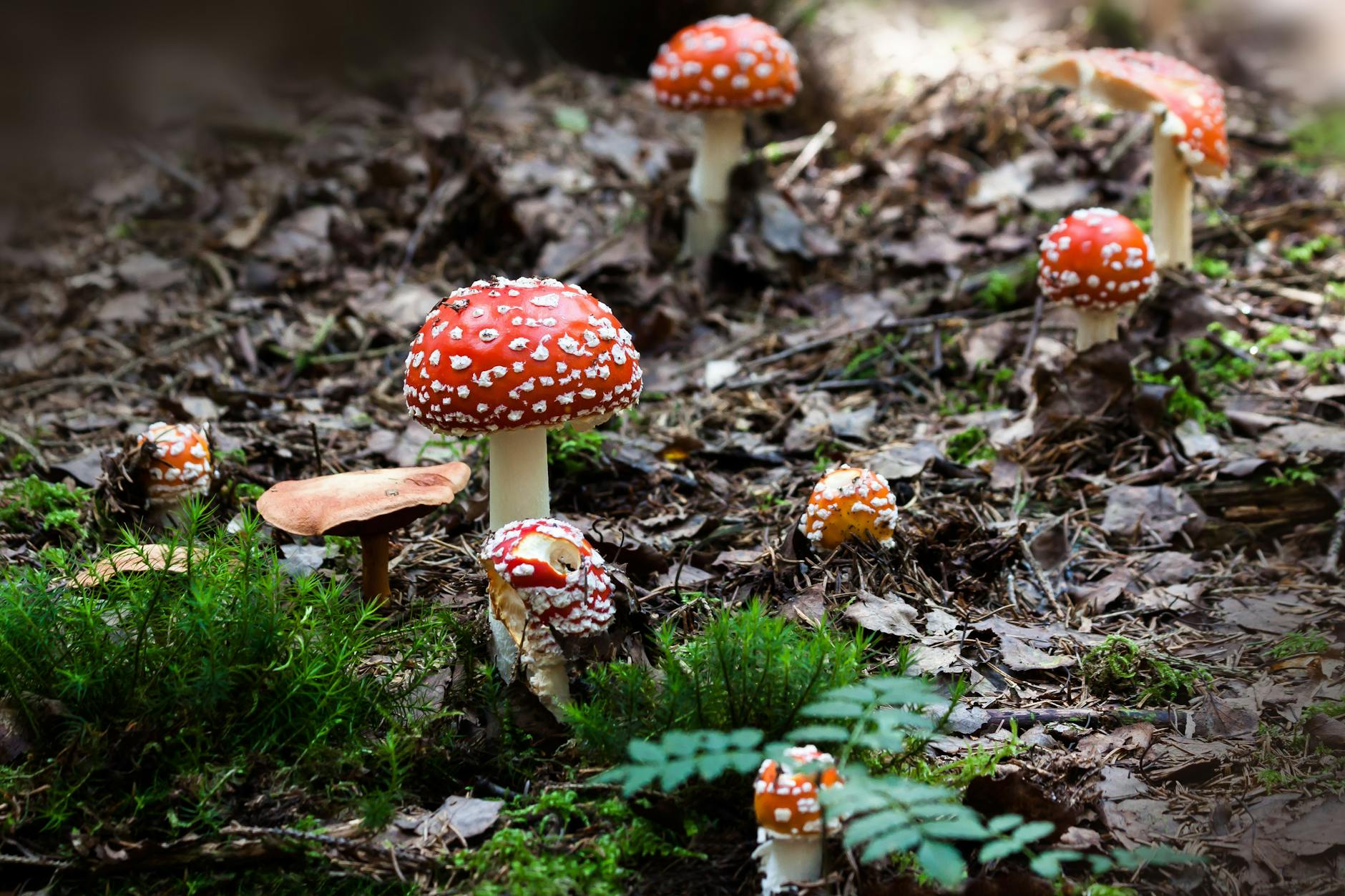
Philip Ross and Jonas Edvard experimented with various materials and found that mycelium, the network of fungi threads that grow underground below a mushroom, is a sturdy and durable alternative to conventional leather. Mycelium naturally grows in places where there is wood and plant waste which contain sugars necessary for growth.
Why use it?
Producing leather from mycelium significantly reduces the number of resources needed to make a leather product. Unlike cattle, mycelium grows by breaking down sugar in agricultural waste with limited water and energy required for its growth, this makes it easy and sustainable to produce. Additionally, all forms of leather made from fungi are biodegradable, contributing to a circular economy where products can be recycled and given a new life! Finally, there are no traces of animal products or by-products of animals in the process of producing fungi leather, making it vegan-friendly!
However, whilst the process of producing such leather is extremely fast, it comes with a large economic cost due to the small production sizes. But as mentioned before on this blog, the more we create demand for these sustainable products, the cheaper and more accessible they become.
To conclude…
Have you ever bought something leather because it comes from a cow? The answer is probably no, we consume leather because of its quality, it’s soft and durable. Therefore, if we can replace the unsustainable aspect of this process – the cow- we are left with a material that meets our needs and has significantly less environmental harm. Below are some brands that have used mycelium leather:
- Stella McCartney
- Lululemon
- Mercedes-Benz
- Hermès
 Not My Monkey
Leave a comment